
How to Properly Dispose of Insulin Needles: What Every Diabetic Should Know

There is a moment that happens in bathrooms, bedrooms, and kitchen countertops across the country, millions of times a day. An insulin needle is uncapped, used, and then set down. And for a large number of people living with diabetes, that is where the thought process ends.
Managing diabetes is relentless. Between monitoring blood sugar, timing meals, tracking dosages, and navigating the emotional weight of a lifelong condition, it is understandable that needle disposal gets pushed to the bottom of the priority list. But here is what most people are never clearly told: improper disposal of insulin needles is one of the most preventable public health hazards hiding in plain sight in American homes. Sanitation workers are punctured. Children are injured. Waterways are contaminated. And the person responsible often had no idea they were doing anything wrong, because nobody ever sat down and explained it to them.
This guide is that explanation. Clear, practical, and complete.
The Scale of the Problem
Before getting into the how, it helps to understand the why.
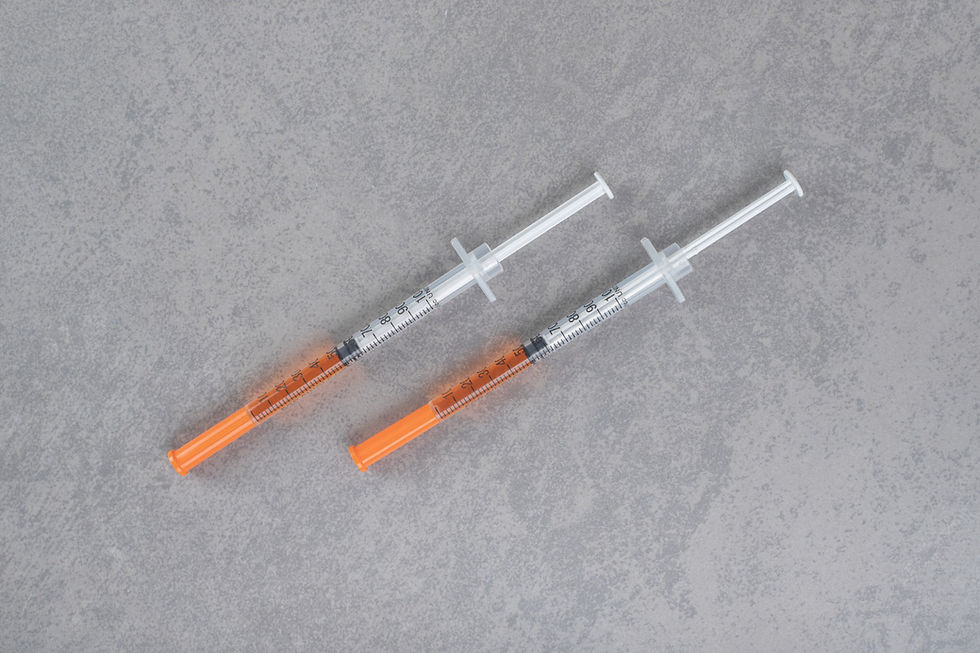
There are approximately 37 million people with diabetes in the United States alone. A significant portion of them use insulin daily, often requiring multiple injections. That adds up to billions of used needles, syringes, and lancets generated every single year by people managing their condition at home.
The vast majority of those sharps are not disposed of through approved channels. Studies have found that a striking percentage of home users either throw used needles directly into the trash, recap and toss them, or leave them in containers that offer no real protection. The consequences are measurable.
Needlestick injuries to sanitation workers, park staff, and household members are documented annually. Pharmaceutical compounds found in groundwater near populated areas include insulin and other injectable medications. Children and pets have been seriously injured by improperly discarded sharps discovered in trash, parks, and public restrooms.
This is not meant to induce guilt. It is meant to make the case that disposal is not a bureaucratic formality. It is a genuine responsibility that comes with the privilege of managing your health at home.
Step One: Never Toss a Loose Needle in the Trash
The single most important rule is this: a used insulin needle should never be placed loose into any trash container, bag, or bin. Not even if you recap it. Not even if you wrap it in tissue. Not even if the trash is going out immediately.
Standard Biohazard Bags are not puncture-resistant. They flex, compress, and shift during handling. A needle tip can push through a doubled-up garbage bag with almost no force. The person grabbing that bag has no idea what is inside.
The same rule applies to flushing. Needles should never be flushed down a toilet. Beyond plumbing issues, needles that pass through wastewater systems can survive treatment processes and end up in water supplies or waterways. Modern treatment plants were not designed with pharmaceutical sharps in mind.
Loose needles in recycling bins are equally dangerous. Sorting facilities rely on workers and mechanical processes that cannot identify or safely handle sharps mixed in with bottles and cardboard.
Step Two: Use a Sharps Container
The right tool for this job is a sharps container: a rigid, puncture-resistant, leak-proof container designed specifically to hold used needles, syringes, and lancets safely.
These containers are available at virtually every pharmacy, often for just a few dollars. They are typically red, clearly marked with a biohazard symbol, and built with a one-way drop opening so that needles go in but cannot come back out.
If you are injecting insulin daily, keeping a sharps container in your injection space is the single most effective habit you can build. The moment you finish your injection, the needle goes into the container. No delay. No leaving it on a counter to deal with later.
When the container reaches three-quarters full, it is time to seal it and start a new one. Do not overfill. A stuffed container becomes harder to seal properly and more likely to be punctured from the inside when handled.
If a purpose-built sharps container is not immediately available, the FDA does permit the use of a heavy-duty household plastic container as a temporary measure. A thick laundry detergent bottle or a sturdy plastic juice container with a screw-on lid can serve as a substitute, provided it is puncture-resistant, has a secure lid, is clearly labeled "Sharps, Do Not Recycle," and is treated with the same care as an official container until you can replace it with the real thing.
Step Three: Know How to Dispose of the Full Container
Once your sharps container is sealed, it cannot go in the regular trash or recycling in most states. Regulations vary significantly by location, so knowing your local options is essential.
Mail-back programs are among the most convenient disposal methods for home users. You purchase a pre-approved, postage-paid sharps container, fill it over time, seal it, and mail it to a licensed medical waste disposal facility. Many pharmacies and online retailers sell these programs, and they are ideal for people without easy access to nearby drop-off sites.
Community drop-off locations are widely available in most metropolitan and suburban areas. Pharmacies, hospitals, health clinics, fire stations, and community health departments frequently accept sealed sharps containers from the public at no charge. The FDA maintains a Safe Needle Disposal locator tool online where you can search by zip code for options near you.
Household hazardous waste events are another avenue worth knowing about. Many local governments host periodic collection days where residents can drop off a range of hazardous materials, including sharps containers, old medications, paint, and batteries. Check your city or county waste management website for scheduled events.
In-home needle destruction devices offer a different approach. These compact devices use heat to melt and destroy the needle portion of a syringe, rendering it safe for regular trash. The plastic barrel still requires proper disposal in a sharps container, but the destroyed needle removes the primary puncture hazard. These devices are particularly useful for frequent injectors who want a simple, at-home solution between sharps container drop-offs.
A Note on Lancets and Pen Needles
Everything covered above applies equally to lancets used in blood glucose monitoring and pen needles used with insulin pens. These are sharps by any definition, even though their small size can make them feel less serious than a full syringe.
Lancets in particular are easy to underestimate. They are tiny, they retract partially after use, and they often come with small plastic casings that feel protective. They are not. A used lancet in a trash bag is still a puncture hazard to anyone who handles that bag. All lancets and pen needles should go directly into a sharps container alongside your used syringes.
Disposal for Travelers
Managing insulin on the road introduces an added layer of complexity. Airports, hotels, and public restrooms do not come equipped with sharps containers as a rule, and carrying a large container through security can feel cumbersome.
Several practical options exist for travelers. Small travel-sized sharps containers are available at pharmacies and online and fit easily into a carry-on or toiletry bag. The TSA allows insulin needles, syringes, and lancets in carry-on bags when accompanied by insulin medication. A letter from your physician or a copy of your prescription, while not legally required, can simplify conversations with security personnel.
During travel, treat your temporary container exactly as you would at home. When you arrive at your destination, locate a drop-off site or mail-back program to dispose of it properly before it becomes full.
Making It a Habit
The gap between knowing what to do and actually doing it every time is where most disposal problems begin. The solution is not discipline. It is the environment.
Keep a sharps container wherever you inject. If you inject in more than one location at home, keep a container in each spot. If you carry insulin with you, keep a small travel container in your bag. Make the right action the easiest action.
Diabetes asks a great deal of the people who live with it. The logistics of daily management are real, and adding one more step can feel like too much. But proper needle disposal takes no extra time once the habit is built. The needle goes in the container. The container gets sealed when it is full. The container gets dropped off or mailed back.
That is it. Three steps that protect the people around you, the environment you live in, and the communities that handle the waste you generate. You are already managing something demanding every single day. This part is the easy one.


Comments